In this article
A good digital kitchen scale does not need to be expensive. For most kitchens, the money is best spent on the boring things: consistent readings, a usable tare/zero button, a display you can still see with a bowl in place, and enough capacity for the way you cook.
The features worth paying extra for depend on what you measure. A casual cook making pasta sauce and pancakes can buy a simple 5kg flat scale and be done. A keen baker, breadmaker user or coffee drinker may get real value from 0.1g precision, a second platform, a pull-out display or a higher capacity.
Best quick rule: pay for features that remove a real measuring problem in your kitchen. Do not pay extra just because the scale looks more technical.
Start with the four essentials
Before looking at smart features or premium finishes, check the basics. A digital scale should be easy to zero, quick to settle, stable under a bowl and clear enough to read at the angle you normally cook from.
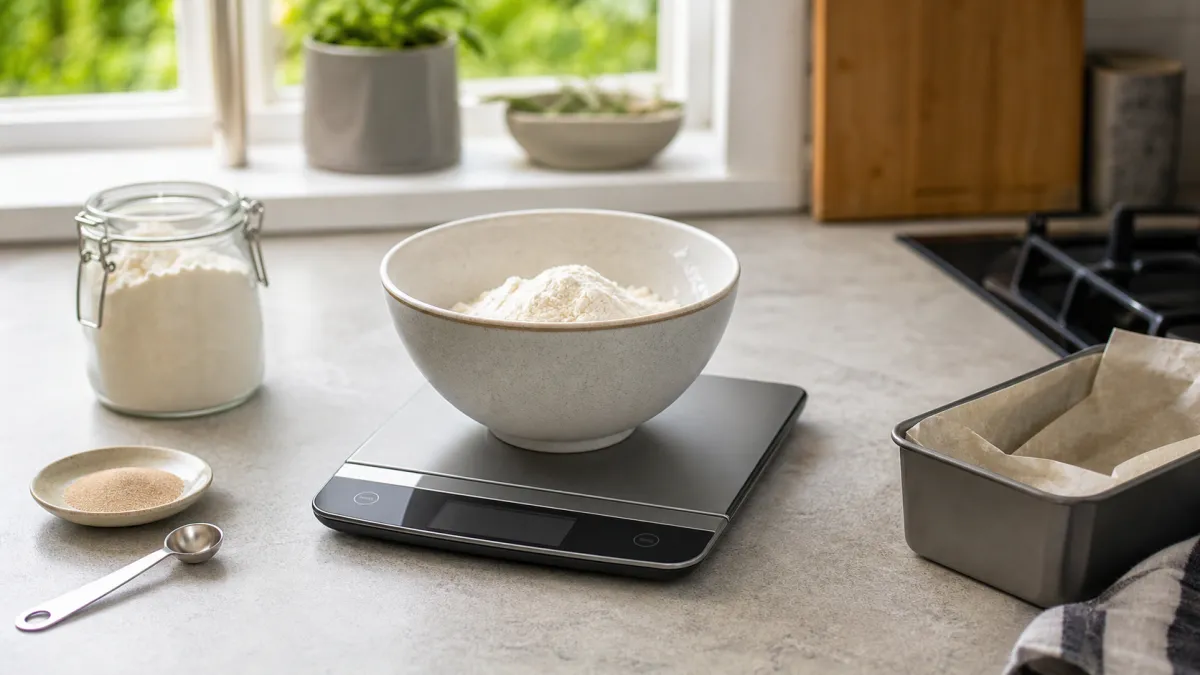
If you are new to the term, tare simply means resetting the scale to zero after you put a bowl, plate or container on it. The scale then weighs only the flour, sugar or other ingredients you add, not the bowl as well.
- A tare/zero button is non-negotiable. Put the bowl on the scale, press tare or zero, then weigh ingredients directly into that bowl. Press it again between ingredients if you want each addition measured separately.
- One-gram increments are enough for everyday cooking. They suit flour, sugar, butter, pasta, rice, portions and most family recipes.
- A 5kg capacity is fine for most households. It gives enough headroom for a mixing bowl plus ingredients, but heavy batch baking may justify 10kg.
- The display matters more than the finish. If a large bowl hides the numbers, a beautiful glass platform quickly becomes annoying.
Which upgrades are actually worth it?
The best upgrade is the one that matches your most frequent frustration. Use this as a buying filter before paying for a premium model.
| Feature | Worth paying more? | Best for | Watch out for |
|---|---|---|---|
| Pull-out or angled display | Yes, if you use large bowls. | Baking, batch cooking and stand-mixer prep. | More seams and edges to clean around. |
| Backlit display | Often worth it. | Dim kitchens, deeper worktops and darker bowls. | It should not be the only premium feature. |
| 0.1g precision | Worth it for small quantities. | Yeast, salt, spices, coffee and dough recipes. | Many precision scales have low maximum capacities. |
| 10kg capacity | Worth it for heavy bowls or batch work. | Bread dough, big mixing bowls and preserving. | Capacity is not the same as small-quantity accuracy. |
| Rechargeable battery | Useful if you weigh often. | Daily cooking, meal prep and buyers avoiding disposable batteries. | A flat built-in battery can be more annoying than spare AA or AAA cells. |
| Removable bowl | Sometimes. | Loose ingredients and display-worthy countertop scales. | The bowl may be bulky to store and less flexible than your own mixing bowls. |
| Smart nutrition app | Only for a specific user. | Macro tracking, calorie logging and managed diets. | It slows normal cooking if you just need grams. |
| Liquid or ml mode | Nice, not essential. | Water-like liquids and recipes that mix units. | Different liquids have different densities, so grams are usually clearer. |
Ready to choose? Start with our Best Kitchen Scales guide if you already know whether you need a simple everyday model, a baking-focused scale or a precision option.
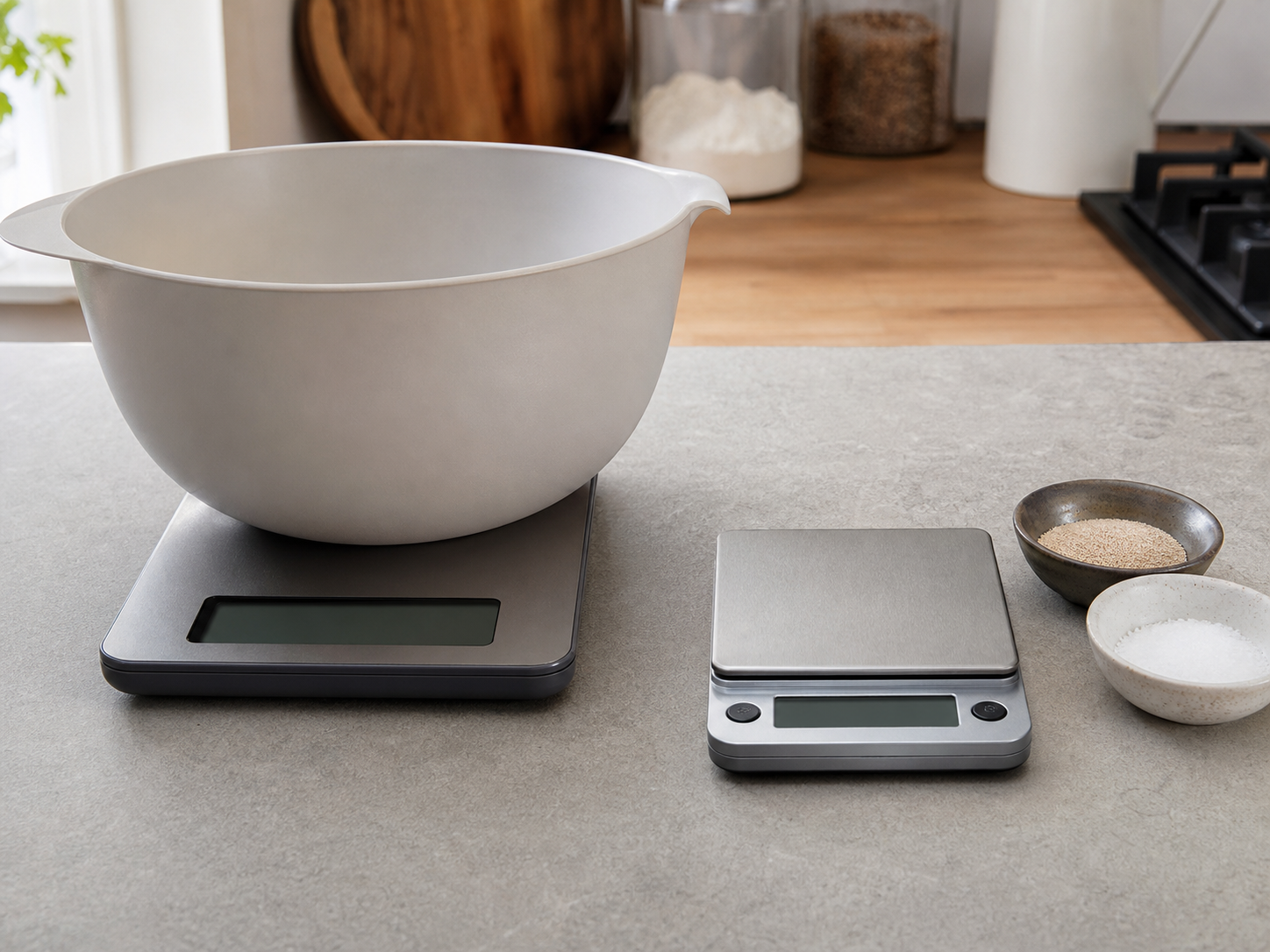 Most kitchens need a clear everyday scale first; a smaller precision scale only earns its keep if you often measure tiny quantities.
Precision matters most for baking, coffee and small quantities
Most everyday kitchen scales measure in 1g steps. That is enough for a 300g portion of flour or a 500g batch of mince, but it is blunt when a recipe asks for 2g of yeast, 3g of salt or a small amount of spice. If those tiny quantities matter to you, look for 0.1g increments or a dual-platform scale with a separate small weighing area.
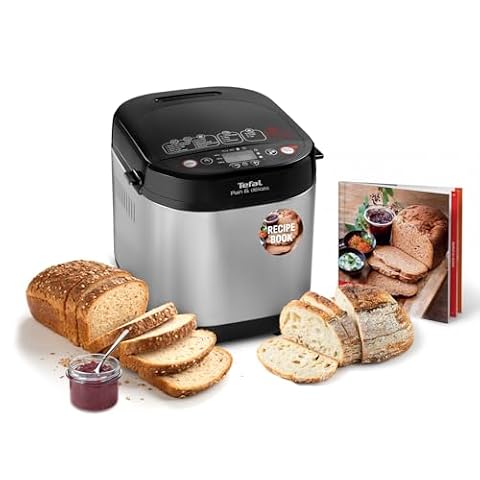
This is where keen bakers should pay attention. A bread recipe can change noticeably when yeast, salt or water shifts by a small amount, especially if you are trying to repeat the same loaf. If you use a breadmaker or regularly make dough, a more precise scale can be more useful than a prettier bowl.
Large bowls change the display problem
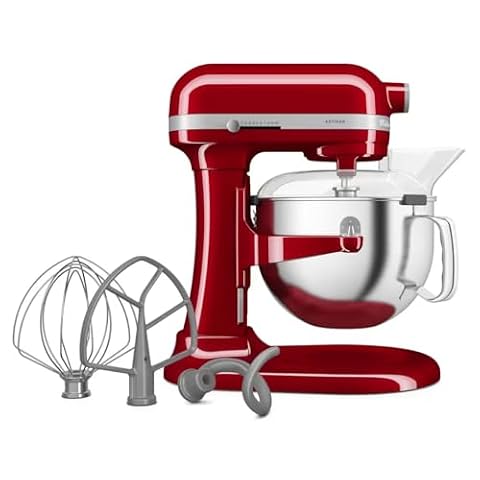
A flat scale can look clear in a product photo and become awkward the moment you put a mixing bowl on top. If you use a stand mixer, bake in large batches or weigh ingredients into deep bowls, display placement is worth paying for.
The best solutions are simple: a pull-out display, a front-facing screen that sits clear of the platform, or a scale wide enough that your bowl does not cover the numbers. A backlight helps, but only if you can still see the display from your normal working angle.
Capacity: 5kg is enough until it is not
A 5kg maximum capacity covers most cooking. It can handle a bowl, flour, sugar, butter and liquid for ordinary recipes. You should consider 10kg if you make large batches, weigh heavy preserving pans, prep family-sized dough, or often put ceramic mixing bowls on the scale before adding ingredients.
Do not buy high capacity as a badge of quality. A 10kg scale that only reads in 1g steps may be excellent for big bowls and still poor for yeast or coffee. Capacity tells you the top end; precision tells you how useful the low end will be.
Bowl scales are convenient, but not automatically better
A removable bowl can be handy for loose ingredients and looks tidy if the scale lives on the worktop. It is less useful if you already prefer your own mixing bowls, proofing tubs or food-prep containers. In that case, a flat platform with clear tare/zero controls is usually more flexible.
Check whether the bowl is dishwasher-safe, how it stores, and whether the scale is still easy to use without it. A bowl that looks premium but blocks the display or takes up half a cupboard is not a smart upgrade.
Batteries and auto-off are everyday annoyances
Battery type is not exciting, but it affects how the scale feels after a few months. Common AA or AAA batteries are easy to replace. USB-C charging is neat if the scale lives on the worktop and you remember to charge it. Coin cells can be slim, but they are easier to forget and less likely to be sitting in a kitchen drawer.
Also check the auto-off time. A scale that turns itself off too quickly can lose your zeroed bowl weight halfway through a recipe. If you bake slowly, answer the door mid-recipe or weigh several ingredients in stages, a longer auto-off window is a small feature that can save real frustration.
Smart scales are only worth it if you will use the data
Smart nutrition scales can be useful if you track calories, macros or medical diet information. They are much less useful if you mainly bake, cook family meals or follow recipes that already give weights. App pairing, food databases and logging screens add friction when all you wanted was 250g of flour.
If you do want nutrition tracking, make sure the scale is still good as a normal scale. It should have tare/zero, clear grams, a stable platform and controls that work without opening the app.
A practical spec-sheet checklist
Before buying, ignore the lifestyle photos and check these details:
- Does it measure in grams, and are the increments 1g or 0.1g?
- What is the maximum capacity once a bowl is included?
- Can you read the display with your biggest bowl or plate on the platform?
- Is the tare/zero button obvious and separate from awkward unit controls?
- Are the batteries common, rechargeable or awkward coin cells?
- How long does auto-off wait before it clears your weighing session?
- Can the platform or bowl be wiped clean easily?
- Is it slim enough to store where you will actually reach for it?
The verdict
For most buyers, the best-value digital kitchen scale is a clear, stable 5kg model with tare/zero, grams and a display that works with real bowls. Spend extra when you can name the problem the upgrade solves: a hidden display, tiny yeast measurements, heavy batch baking, daily rechargeable use or genuine nutrition tracking.
If you cannot name that problem, keep the money for better ingredients or the appliance you are buying the scale to support. A simple scale used every week is better value than a premium one that only looks good on the worktop.
Sources and checks
This reference is useful for checking what dual-platform precision and high-capacity scale specifications look like in a real UK product listing.
- Ooni Dual Platform Digital Scales shows a large 10kg platform, a smaller 200g precision platform, 1g and 0.1g increments, battery details and care notes.