In this article
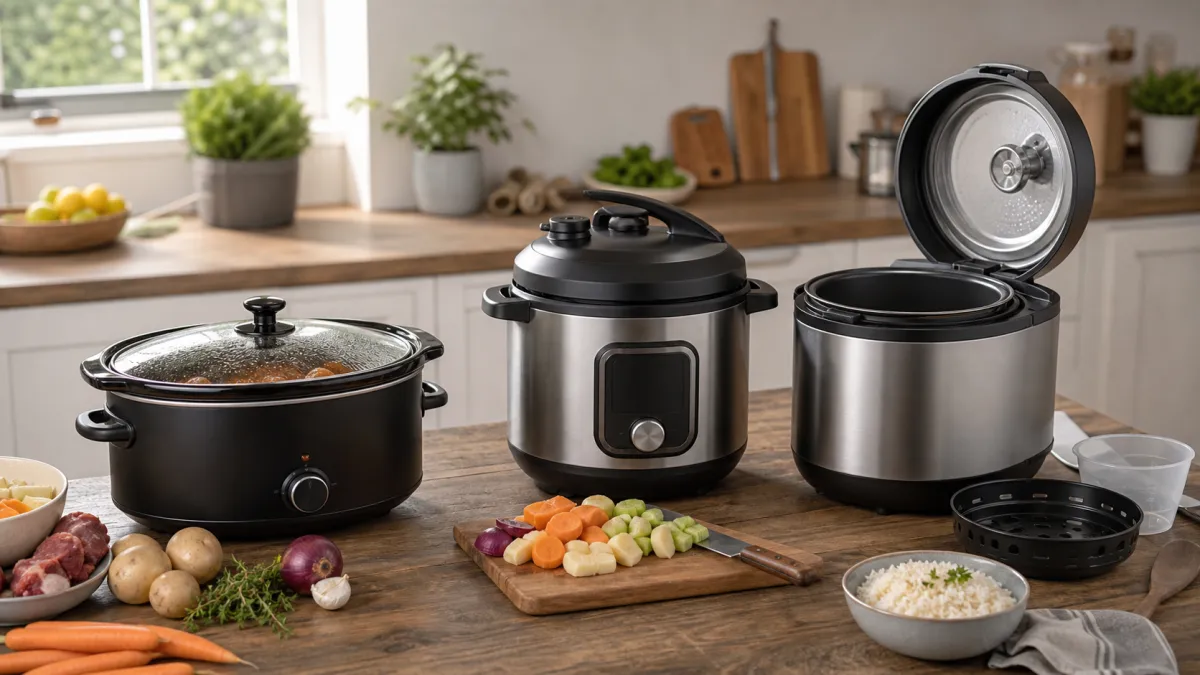
If you want a simple answer, start with the meal you repeat most. Choose a slow cooker for low-effort stews, pulled meat and make-ahead dinners. Choose an electric pressure cooker if you want tender food quickly and do not mind learning pressure-release rules. Choose a multi-cooker if you need one appliance to cover several jobs, but only if its extra modes are ones you will actually use.
The common mistake is buying the appliance with the longest feature list. That can work if you have limited storage, but it can also leave you with a bulky machine whose best mode is worse than a simpler dedicated appliance. The right choice is the one that matches your weekday rhythm, not the one that promises to replace half the kitchen.
Decision rule: slow cooker for time-rich cooking, pressure cooker for time-poor cooking, multi-cooker for space-poor kitchens that need several modes in one body.
Match the appliance to your real cooking habit
| What you want most | Best first buy | Why it fits |
|---|---|---|
| Dinner that can cook gently while you work, shop or get on with the day | Slow cooker | It is designed around long, moist, low-and-slow cooking rather than fast results. |
| Tender meat, pulses, soups or stews in much less time | Electric pressure cooker | Pressure cooking raises the cooking temperature and shortens many wet-cooking jobs. |
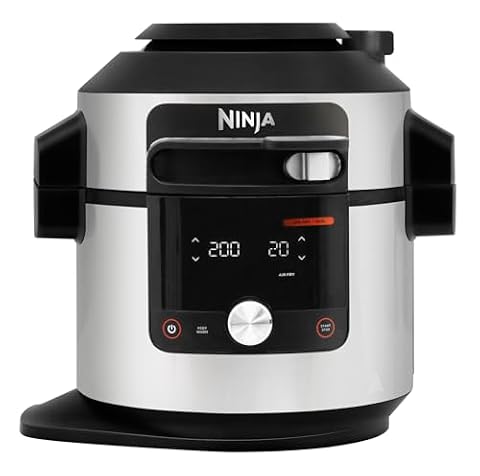
| One appliance for pressure cooking, slow cooking, steaming, rice, sauteing or warming | Multi-cooker | The value is breadth, especially when storage is tighter than your wishlist. |
| The easiest possible appliance for batch-cooked casseroles | Slow cooker | A simple pot, lid and timer are often enough; fewer modes can mean fewer decisions. |
| The fastest route to weeknight one-pot meals | Electric pressure cooker or pressure multi-cooker | You still need heat-up and pressure-release time, but it is usually the quicker format. |
| A replacement for several small appliances | Multi-cooker | It can be sensible if you will use the extra functions and have room for the accessories. |
Compare models once you know the format
If that table already points you in a direction, use the relevant guide: slow cookers for low-and-slow convenience, electric pressure cookers for faster wet cooking, or electric multi-cookers if you want one appliance with several useful modes.
Buy a slow cooker if convenience matters more than speed
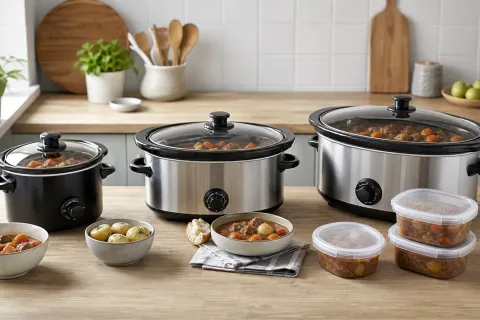
A slow cooker is the most relaxed option. It suits stews, casseroles, chilli, pulled pork, cheaper cuts of meat, batch cooking and dinners where you would rather prep earlier than cook at the last minute. You are not buying speed; you are buying a way to make time do the work.
The best slow-cooker households are honest about their routine. If you like loading ingredients in the morning, coming back to a finished meal and keeping the controls simple, a slow cooker is hard to beat. It is also usually easier to understand than a pressure appliance: the lid is not locking in pressure, the cooking is gentle, and the main decisions are capacity, timer, pot shape and whether the insert is easy to clean.
The trade-off is control and pace. You cannot quickly rescue dinner if you start late, and delicate vegetables or lean meat can become soft or dull if they sit too long. Browning meat or onions separately can improve flavour, but that adds a pan unless your model has a hob-safe or sear-safe pot.
A slow cooker is also not the right appliance for every ingredient. Dried red kidney beans need proper pre-treatment before they go anywhere near a low-temperature slow cook. If you cook dried beans often, a pressure cooker or a conventional pan-and-boil routine may be a safer, more practical fit.
Buy an electric pressure cooker if speed is the problem
An electric pressure cooker is for people who like the results of braising, simmering and stewing but do not always have hours spare. It can make tougher cuts, beans, soups, stocks and some one-pot meals feel more realistic on a weeknight. The sealed pot also keeps steam and cooking smells more contained than a bubbling hob pan.
The important caveat is that pressure cooking has a learning curve. Recipes need enough liquid, the lid and seal need to be fitted correctly, and cooking time is not just the number on the programme. You have to allow for preheating, pressure build-up and pressure release. A "20-minute" recipe can still take noticeably longer from cold pot to open lid.
The safety rules are not optional. You need to keep the valve and gasket clean, avoid overfilling, use the release method the recipe expects, and wait until the pressure has dropped before opening. Modern electric pressure cookers are designed with safety features, but they still ask more of the owner than a slow cooker.
Choose this format if you want faster tenderness and are willing to learn the appliance properly. Skip it if you dislike steam release, dislike reading manuals, or mainly want unattended cooking that can run gently for most of the day.
Buy a multi-cooker if the extra modes solve a real storage problem
A multi-cooker can be the smartest choice when you genuinely want several modes in one appliance. Depending on the model, that might include pressure cooking, slow cooking, steaming, sauteing, rice, porridge, yoghurt, keep-warm or air-fry-style functions. For a small kitchen, that breadth can be more useful than owning separate machines.
The risk is compromise. Some multi-cookers slow-cook well; others treat slow cooking as a secondary mode. Some pressure multi-cookers are excellent for fast stews but large and awkward for simple rice. Some models come with extra lids, baskets, racks or crisping attachments that need storage even when the main appliance replaces something else.
A multi-cooker is best when you can name the three modes you will use every month. If the answer is only "slow cook", buy a slow cooker. If the answer is only "pressure cook", buy a pressure cooker. If the answer is pressure cooking, sauteing and steaming in one pot, or rice and slow cooking without separate appliances, a multi-cooker starts to make sense.
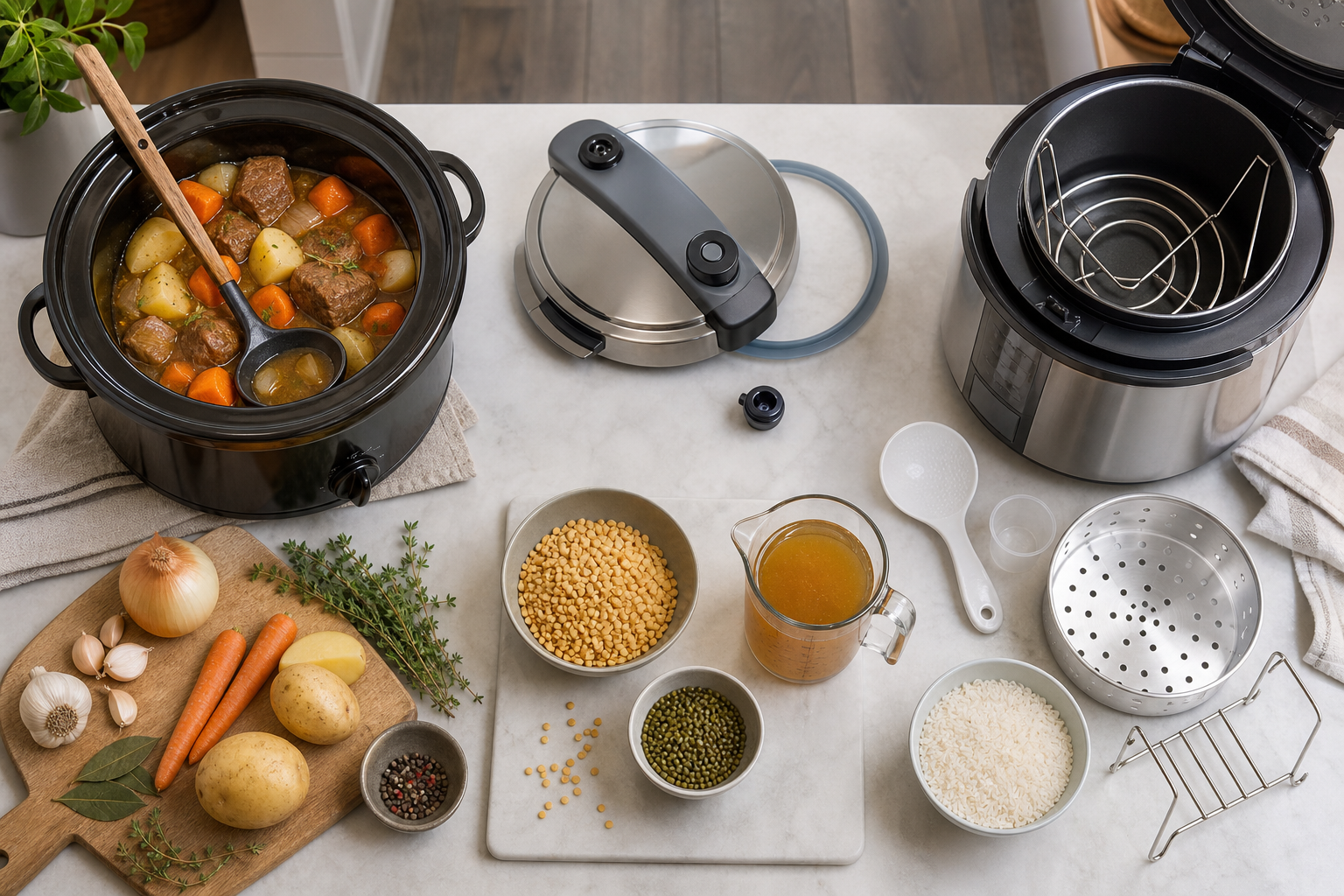 The format changes the routine: slow cooking uses time, pressure cooking relies on a sealed lid, and multi-cookers add removable accessories for extra modes.
What to check before you commit worktop space
Capacity matters more than the headline size suggests. A large slow cooker may be poor for small portions because the food sits too shallow. A pressure cooker cannot usually be filled to the brim, especially with foaming foods. A multi-cooker may quote a generous pot size while its accessories reduce usable space for some modes.
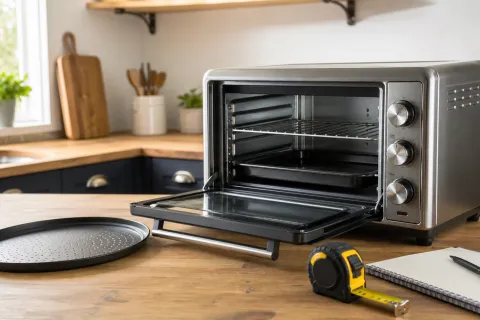
Measure height with the lid open. Hinged lids and pressure lids can make under-cupboard storage awkward.
Check the cleaning path. Removable pots are normal, but gaskets, valves, racks and condensation channels vary by format.
Look at the controls before buying. A simple dial can be better than a crowded menu if you only want stews.
Plan where the steam goes. Pressure release and multi-cooker steam should not be aimed at wall cabinets, shelves or faces.
Check accessories and spares. Replacement seals, lids, pots and racks matter more for pressure and multi-cooker ownership.
Who should skip each format?
Skip a slow cooker if you rarely plan meals ahead, prefer crisp textures, cook mostly small portions, or want one appliance to saute, steam and pressure cook as well. It is brilliant at the job it was built for, but it is not a fast all-rounder.
Skip an electric pressure cooker if you want the calmest possible cooking experience, dislike steam-release noise, or do not want to learn filling limits and lid care. It saves time, but it rewards careful use.
Skip a multi-cooker if you are attracted to the list of modes but only trust yourself to use one. The bigger the appliance, the more its storage cost needs to be justified. A simpler slow cooker or pressure cooker can be a better buy than a multi-cooker used as one.
Verdict: buy for your bottleneck
If your bottleneck is planning and effort, buy a slow cooker. It is the most straightforward route to batch-cooked comfort food, especially when you like prepping early and eating later.
If your bottleneck is time, buy an electric pressure cooker. It makes slow-cooked-style meals more realistic when dinner has to happen sooner, provided you are happy to follow the pressure rules.
If your bottleneck is space, buy a multi-cooker only when the extra functions replace appliances or cooking methods you already use. The best multi-cooker is not the one with the most modes; it is the one whose modes match your week.
Sources and checks
These references help you check the safety points behind the buying decision.
FDA Bad Bug Book: phytohaemagglutinin: useful for checking why dried kidney beans need proper soaking and boiling before low-temperature cooking.
GOV.UK product safety alerts, reports and recalls: the official UK recall search to check an appliance model before buying second-hand or continuing to use an older pressure-cooking product.