In this article
A dual-zone wine fridge sounds like the safer buy because it gives reds and whites separate temperature settings. For many homes, though, a good single-zone cabinet is enough. Buy dual-zone only when you regularly store different wine styles that need different serving temperatures at the same time.
The more useful question is not whether two zones are better on paper. It is whether your bottles, drinking habits and kitchen layout will make the second zone earn its space, cost and sometimes reduced shelf flexibility.
Quick buying rule: choose single-zone for simple storage or one main drinking habit; choose dual-zone when reds, whites, rose or sparkling wines are opened often enough that separate ready-to-serve sections save real fridge juggling.
Single-zone and dual-zone compared
| What matters | Single-zone wine fridge | Dual-zone wine fridge |
|---|---|---|
| Best for | One main wine style, short-term chilling, or stable storage at one set temperature. | Homes that regularly keep reds and whites, or sparkling wines and still wines, ready at different temperatures. |
| Bottle capacity | Often more straightforward because the whole cabinet shares one layout. | Can lose usable space to dividers, separate controls or mixed shelf depths. |
| Running and purchase cost | Usually the simpler, cheaper choice for the same broad size. | Usually costs more, so it needs to solve a real red/white serving problem. |
| Ease of use | Set one temperature and organise bottles by access. | More flexible, but only if you keep the right bottles in the right section. |
| Overbuying risk | Lower if you mainly chill wine for meals, weekends or casual entertaining. | Higher if the second zone becomes an expensive spare shelf. |
Compare wine fridges once the zone choice is clear
If the table already points one way, compare current models in our wine-fridge buying guide. Pay attention to the model's zone count, bottle layout, noise rating and whether it is freestanding or designed for built-in installation.
The real difference is storage versus serving
A single-zone cabinet is not a poor relation if you mainly want stable storage. Many buyers set one moderate temperature and use the main kitchen fridge for short, final chilling before serving whites, rose or sparkling wine. That can be perfectly sensible if bottles are not sitting in a warm room for weeks.
Dual-zone makes more sense when the wine fridge is also your serving fridge. For example, one section can keep whites and sparkling wines cooler while another keeps reds slightly warmer. In everyday terms, that means fewer bottles moving in and out of the kitchen fridge before dinner.
The second zone is convenience, not magic. It will not fix poor placement, cramped ventilation, awkward shelves or a cabinet that is too small for the bottles you actually buy.
Actual bottle capacity is usually lower than the headline
Wine-fridge capacities are commonly based on standard Bordeaux-style 75cl bottles. That makes model comparisons easier, but it is not how many households actually fill a fridge. Burgundy bottles, Champagne bottles, taller Riesling-style bottles and broad-shouldered reds can reduce the usable count quickly.
Dual-zone cabinets can make this more noticeable because the shelves are split between two sections. If the lower zone takes fatter bottles and the upper zone is used for slimmer whites, the advertised total may still be optimistic. If you remove shelves to fit awkward bottles, the total count drops again.
Count the bottles you keep, not the bottles in the brochure. A 44-bottle model may be roomy for standard bottles but tight for a mixed home collection.
Check shelf depth and door clearance. A bottle that technically fits can still be annoying if the shelf drags or the door needs a wider swing.
Think in weekly access. Bottles you open often should not be trapped behind long-term bottles just because the capacity diagram looked neat.
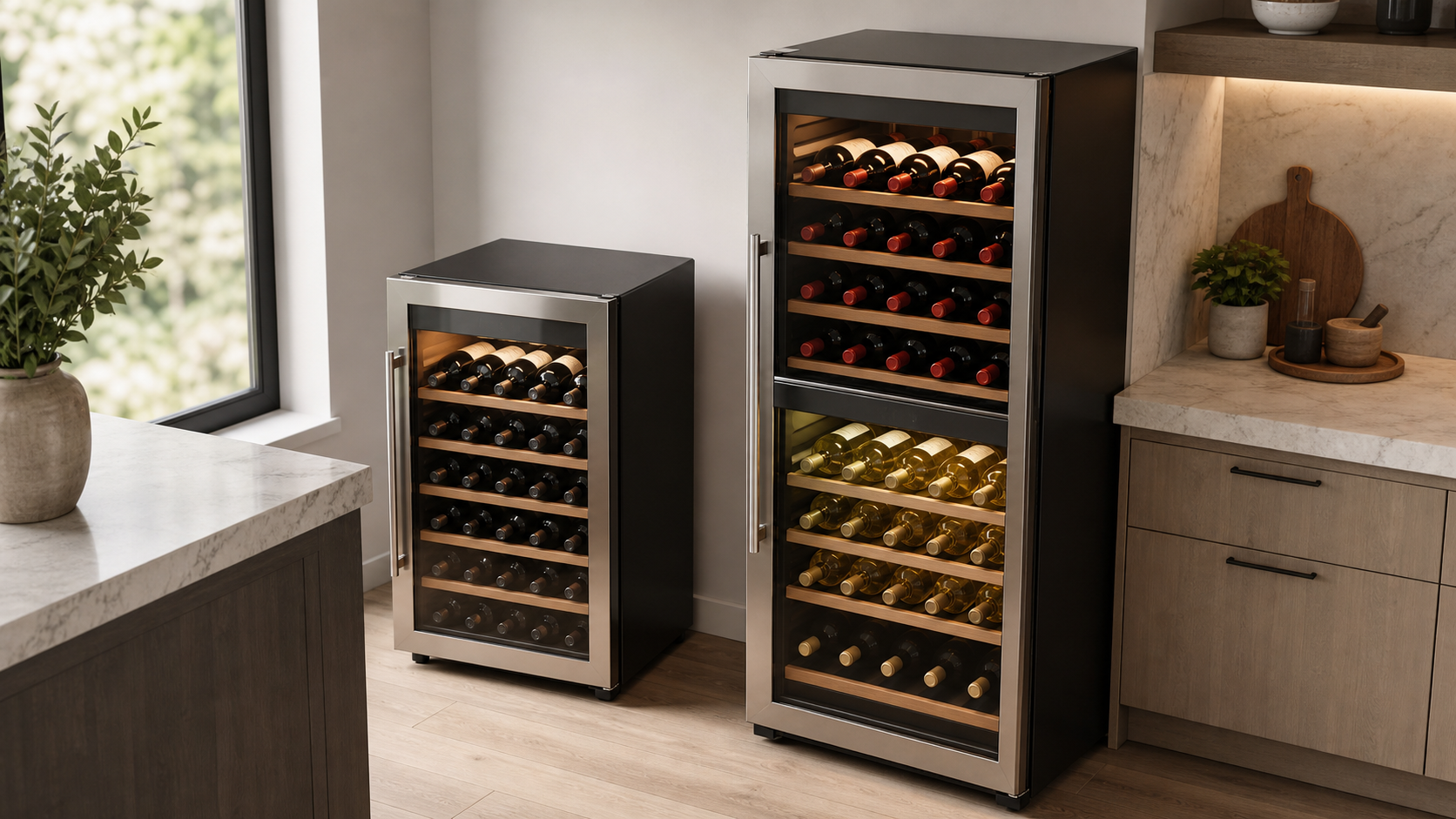 A larger dual-zone cabinet can look more flexible, but bottle shape, shelf splits and the way you organise reds and whites decide how much usable space you really gain.
Red and white storage does not always require two zones
If you mostly drink one style of wine, a single-zone fridge is usually the cleaner choice. A white-wine household, a rose-heavy summer household or someone storing reds at a steady cellar-like temperature does not automatically need separate sections.
Two zones become useful when your normal routine genuinely splits. A household that drinks white wine during the week and red wine with weekend meals may appreciate both being ready without last-minute chilling. The same applies if sparkling wine is a regular fridge resident rather than an occasional bottle before a birthday or Christmas meal.
What this means in practice: dual-zone is worth more to a mixed-drinking household than to a large collection of the same style. If most bottles want the same treatment, spend the money on better capacity, quieter running or a better installation fit instead.
Noise and placement can matter more than the extra zone
A wine fridge is a small cooling appliance, so it can hum, cycle and move air. That matters most in open-plan kitchens, dining rooms, flats and anywhere the cabinet sits near a sofa, desk or bedroom. A second zone is not much comfort if the appliance is irritating in the room where you actually live.
Look for the published noise rating, but treat it as one clue rather than the whole answer. The sound you notice depends on room acoustics, flooring, how tightly the cabinet is installed, whether it is level, and whether the model has enough space to ventilate properly.
Placement should come before zone count. A correctly fitted single-zone model in the right space will usually be more satisfying than a dual-zone model squeezed into a gap it was not designed for.
When dual-zone is overkill
Dual-zone is easiest to overbuy when the article title sounds like a technical upgrade rather than a practical habit. If you normally keep six to twelve bottles, open them casually and use the main fridge for final chilling, the second zone may do very little.
It is also overkill if the cabinet will mostly hold soft drinks, beer or party bottles. In that case, a drinks cooler or single-zone wine fridge may be the more honest choice, provided it suits the temperatures and bottle sizes you need.
| Your habit | Better buy | Why |
|---|---|---|
| Mostly one wine style | Single-zone | One steady temperature is usually enough, with final chilling when needed. |
| Reds and whites open every week | Dual-zone | Separate sections can keep both styles closer to serving temperature. |
| Small mixed collection in a tight kitchen | Single-zone or compact dual-zone | Capacity and placement may matter more than maximum flexibility. |
| Serious home collecting | Larger dual-zone or specialist cabinet | Separate temperature areas and better organisation start to matter more. |
Built-in models need the right type of installation
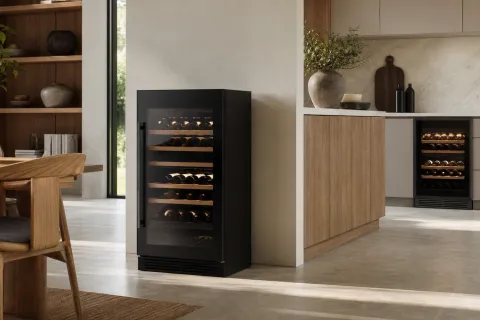
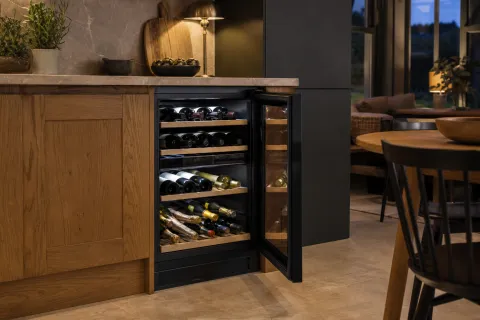
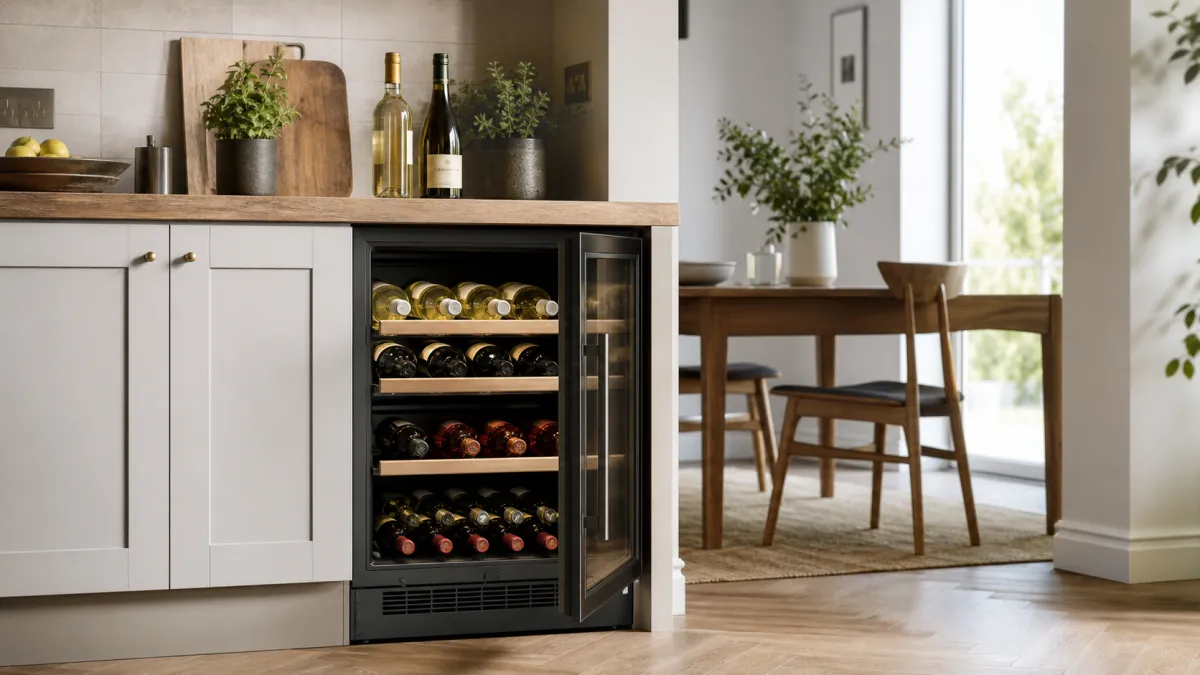
Do not buy a freestanding single-zone or dual-zone fridge and box it into cabinetry unless the manufacturer says it is suitable for that installation. Built-in and under-counter models are designed around specific ventilation paths, dimensions and door clearances. Freestanding models normally need open space around them.
This matters because poor ventilation can make the appliance work harder, sound louder and struggle to hold temperature. If the gap is already fixed, the correct installation type may decide the shortlist before single-zone versus dual-zone does.
The better buy for most homes
For most casual wine drinkers, a single-zone wine fridge is the better-value starting point. It gives bottles a dedicated, steadier home and keeps the appliance simpler. You can still chill whites, rose and sparkling wine further in the main fridge before serving.
Choose dual-zone when the second section solves a routine you already have: reds and whites opened regularly, bottles served straight from the wine fridge, or a collection large enough that separate organisation genuinely helps.
If you are unsure, buy the quieter, better-fitting model with the most realistic bottle layout before paying extra for another temperature zone. A wine fridge that fits the kitchen and the bottles you actually own will do more for everyday use than a feature you rarely adjust.
Sources and checks
These links are useful when you want to check storage advice and compare how real UK wine fridges describe capacity, zones, noise and energy use.
The Wine Society storage guidance: understand why steady storage matters and why a normal food fridge is not ideal for long-term wine storage.
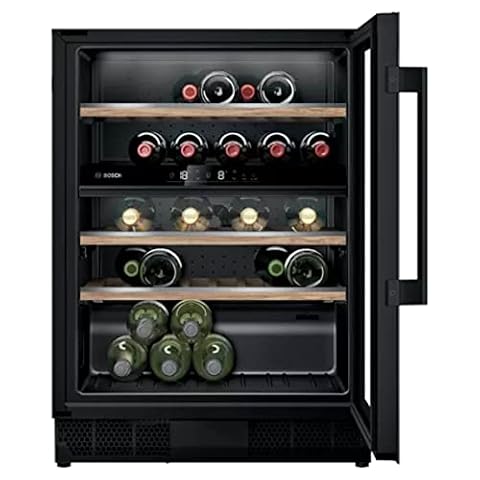
Bosch KUW21AHG0G built-under wine cooler: compare how a current UK dual-zone built-in model presents standard-bottle capacity, dimensions, temperature range and noise.
Haier HWS77GDAU1 freestanding wine cooler: check how a larger freestanding dual-zone cabinet presents bottle capacity, annual kWh, noise and installation type.