In this article
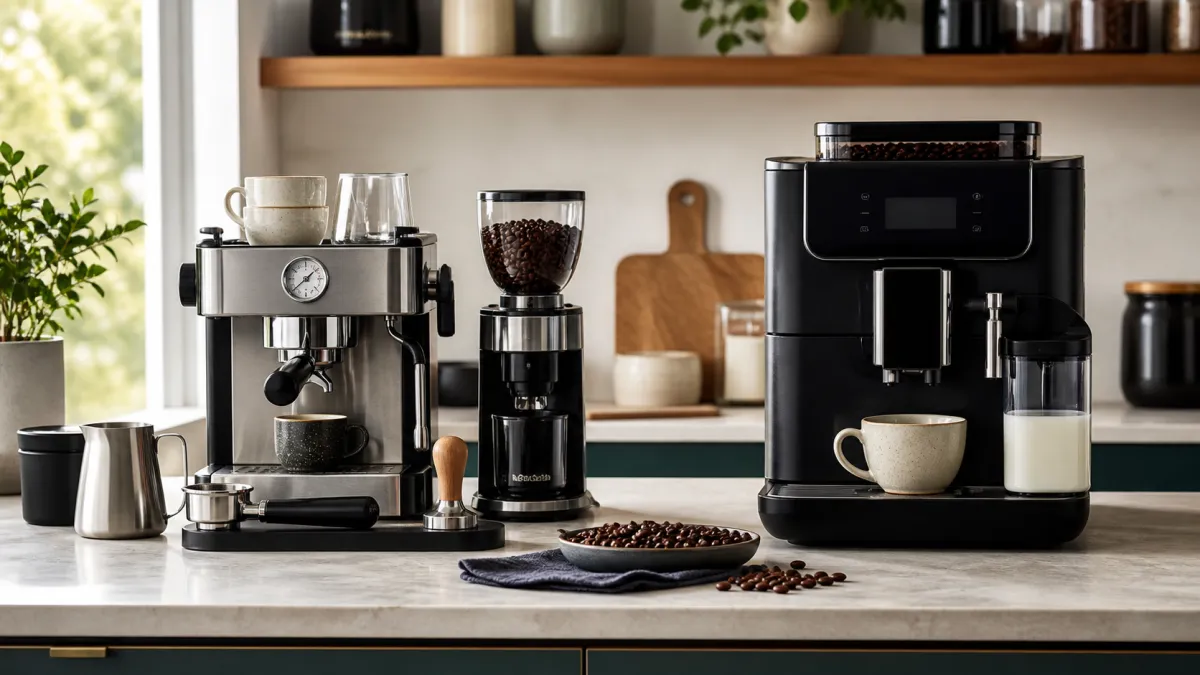
A manual espresso machine is the better buy if you want to shape the coffee yourself and you are willing to learn the routine: grind, dose, tamp, extract, steam and clean. A bean-to-cup machine is the better buy if you want fresh beans with much less technique, especially in a household where several people want repeatable drinks.
The quickest decision rule: choose manual espresso for control and involvement; choose bean-to-cup for consistency and convenience. If you would resent practising the grind and tamp, the manual machine is unlikely to earn its worktop space.
Compare the trade-offs before you choose
| What matters | Manual espresso machine | Bean-to-cup machine |
|---|---|---|
| Daily effort | Hands-on: grind, fill the portafilter, tamp, brew and knock out the puck. | Lower effort: fill beans and water, choose a drink, then empty trays and containers. |
| Coffee control | Highest control over grind, dose, extraction and milk texture, if you learn the basics. | Adjustable strength, volume and sometimes grind, but the machine keeps you inside its own limits. |
| Best suited to | People who enjoy the ritual, mostly make espresso or milk drinks for one or two, and can budget for a grinder. | Busy households, mixed drink preferences and anyone who wants fresh-bean coffee without a hobby. |
| Main compromise | Learning curve, mess, separate kit and more inconsistent results while you practise. | Less hands-on control, larger body, regular cleaning routines and a higher cost for good automation. |
| Grinder need | Essential unless the machine includes a capable grinder. Espresso is unforgiving of poor grind control. | Built in. You still choose beans, but the machine handles dosing and grinding. |
| Milk drinks | Manual steam wand on many models; some compact machines add automatic milk texture. | Often easier for cappuccinos and lattes, especially models with automatic milk systems. |
If that table has already settled the format for you, start with our espresso machine guide or compare the more automated options in our bean-to-cup coffee machine guide. Keep reading if the choice is still close.
Manual espresso rewards people who want to tune the result
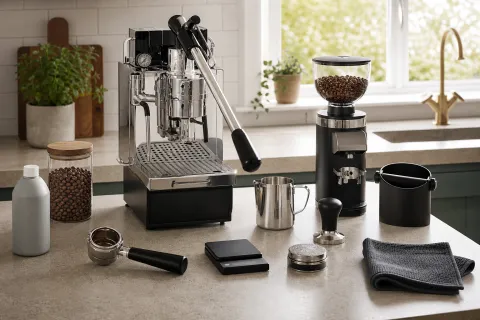
A manual espresso machine gives you the most influence over the drink. You can change the grind, adjust the dose, distribute the coffee, tamp differently, stop a shot earlier or later, and texture milk to match the drink you are making. That control is the point.
It is also the catch. Espresso is sensitive to small changes. A slightly coarse grind can run thin and fast; a slightly fine grind can choke the shot. Beans age, baskets vary, and a rushed tamp can make the water channel through the puck unevenly. The machine may be capable, but the routine still depends on the person using it.
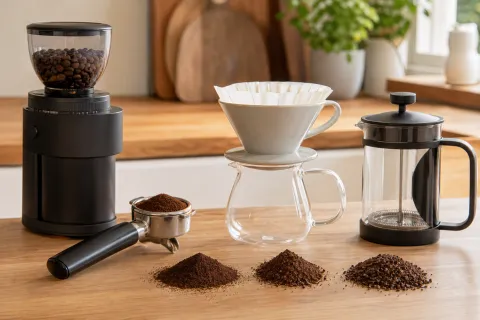
Budget for the grinder, not just the espresso machine. A compact manual machine without a built-in grinder can be a smart buy, but it only makes sense if you pair it with coffee ground finely and consistently enough for espresso. Pre-ground supermarket coffee is convenient, but it removes much of the control that makes manual espresso worth choosing.
Bean-to-cup is for fresh beans without the barista routine
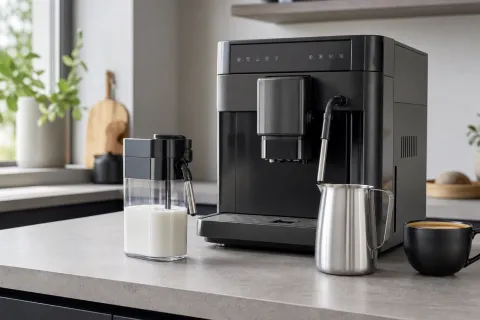
A bean-to-cup machine turns the key steps into a repeatable button press. It stores whole beans, grinds a dose, brews the drink and drops the spent grounds into a container. Many models also prepare milk drinks from a steam wand or milk carafe, with saved preferences for strength, volume and foam level.
That makes it far easier for a household to get similar drinks every day. It is especially useful when one person wants an espresso, another wants a long coffee, and someone else mainly drinks cappuccinos. The machine becomes a shared appliance rather than one person's coffee project.
The trade-off is that automation is not the same as no maintenance. Bean hoppers, brew units, drip trays, grounds containers and milk systems all need attention. A bean-to-cup machine can hide the messy parts during brewing, but it will still ask you to empty, rinse, descale and clean.
The routine feels different after the first week
Manual espresso can be enjoyable if you like a small ritual: weighing or dosing beans, tamping neatly, watching the shot and adjusting next time. If that sounds like faff, it will feel worse on a weekday morning when the worktop is busy and the milk jug needs rinsing.
Bean-to-cup machines shift the effort from skill to upkeep. You do less before each drink, but you need to keep on top of trays, water, beans and milk parts. The best fit depends on which type of work you will actually do.
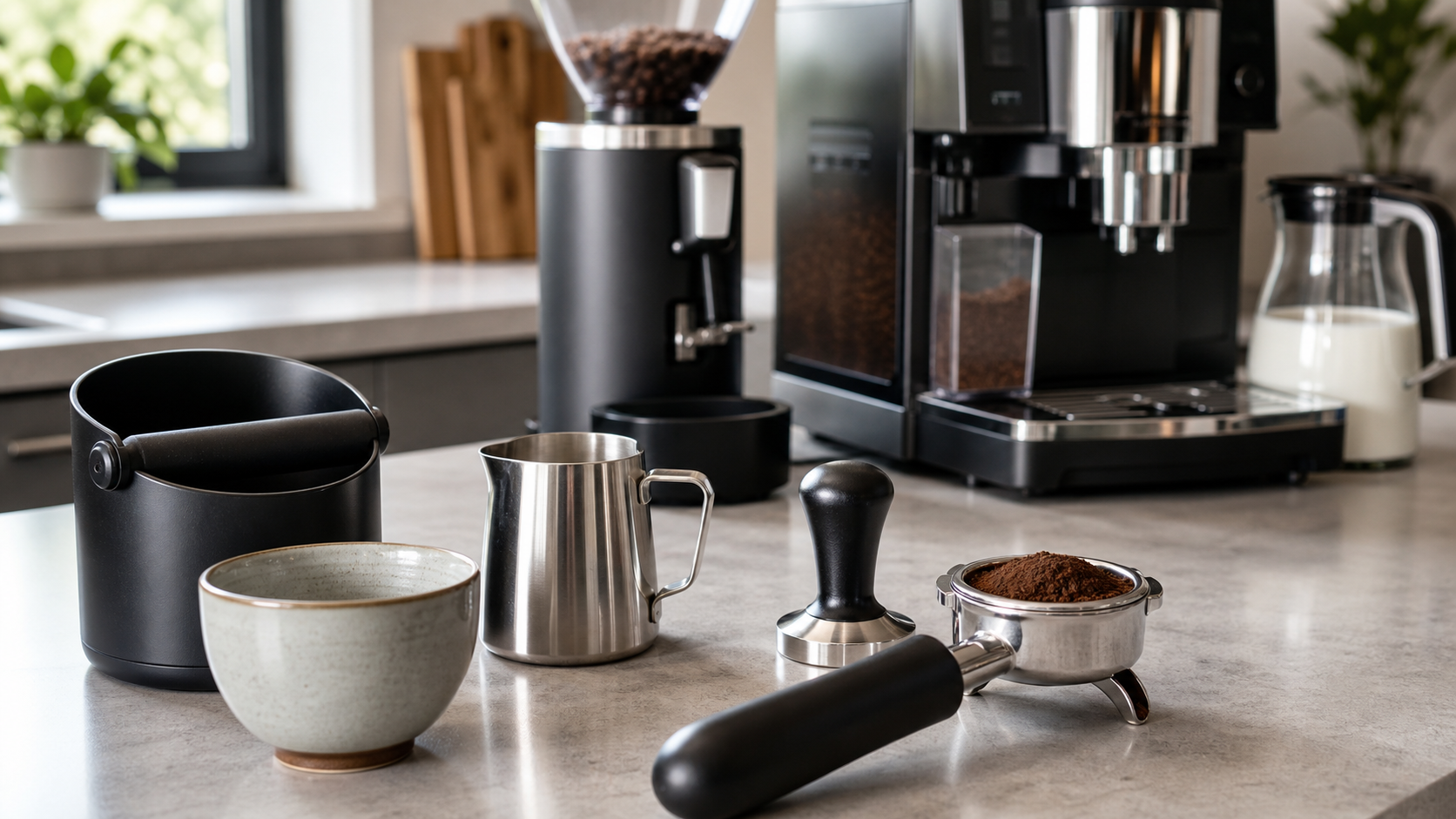
Manual espresso spreads the routine across separate tools; bean-to-cup machines hide more of that work inside the appliance.
Think about who will use it
If the machine is mainly for one coffee-focused person, manual espresso can make sense. You can choose the grinder, learn the machine, keep beans dialled in and improve the drink over time. It is also easier to upgrade one part of the setup later, such as moving to a better grinder without replacing the espresso machine.
If several people will use the machine, bean-to-cup is usually more forgiving. Saved drink settings and one-touch menus reduce the gap between the confident user and everyone else. That matters in a kitchen where the machine needs to serve guests, partners, teenagers or office-style traffic without a lesson each time.
Milk drinks are another divider. A manual steam wand gives the most control, but it takes practice and needs wiping and purging after use. Automatic milk systems are easier for repeat cappuccinos and lattes, though they add parts that must be cleaned promptly.
Budget, space and noise can decide it
Manual espresso setups are flexible. You can buy a small machine, choose a separate grinder and keep the footprint split across the worktop. That can suit a narrow kitchen, but the total setup may still involve a grinder, tamper, knock box, scales and milk jug.
Bean-to-cup machines tend to be larger and deeper because the grinder, brewing unit, hopper, water tank and waste containers all live inside one body. They can look tidier than a manual setup, but they still need clearance for refilling, emptying and removing parts.
Noise is worth considering too. Both formats can be loud: grinders are short and sharp, pumps can buzz, and bean-to-cup machines may grind early in the routine. If your kitchen is near bedrooms or open-plan living space, check how much morning noise you can tolerate before choosing a powerful machine you will avoid using.
Mistakes that lead to the wrong buy
- Buying manual espresso without grinder budget. The machine is only half the setup if you want repeatable espresso.
- Assuming bean-to-cup means no cleaning. It reduces technique, not upkeep.
- Choosing by drink menu alone. A long list of recipes is useful only if you will drink them and clean the milk system afterwards.
- Ignoring worktop depth. Bean-to-cup machines often need room above, behind or beside the appliance for tanks, hoppers and trays.
- Overestimating your interest in practice. Manual espresso can be satisfying, but it is not the fastest route to decent coffee for everyone.
Verdict: buy the machine that matches your patience
Buy a manual espresso machine if you want the most control, enjoy learning a craft and are prepared to invest in a grinder and a little daily mess. It is the more rewarding route for people who care about the process as much as the cup.
Buy a bean-to-cup machine if you want fresh-bean coffee to fit into normal mornings with fewer decisions. It is the stronger choice for shared households, regular milk drinks and anyone who wants good repeatable coffee without turning every drink into a small project.