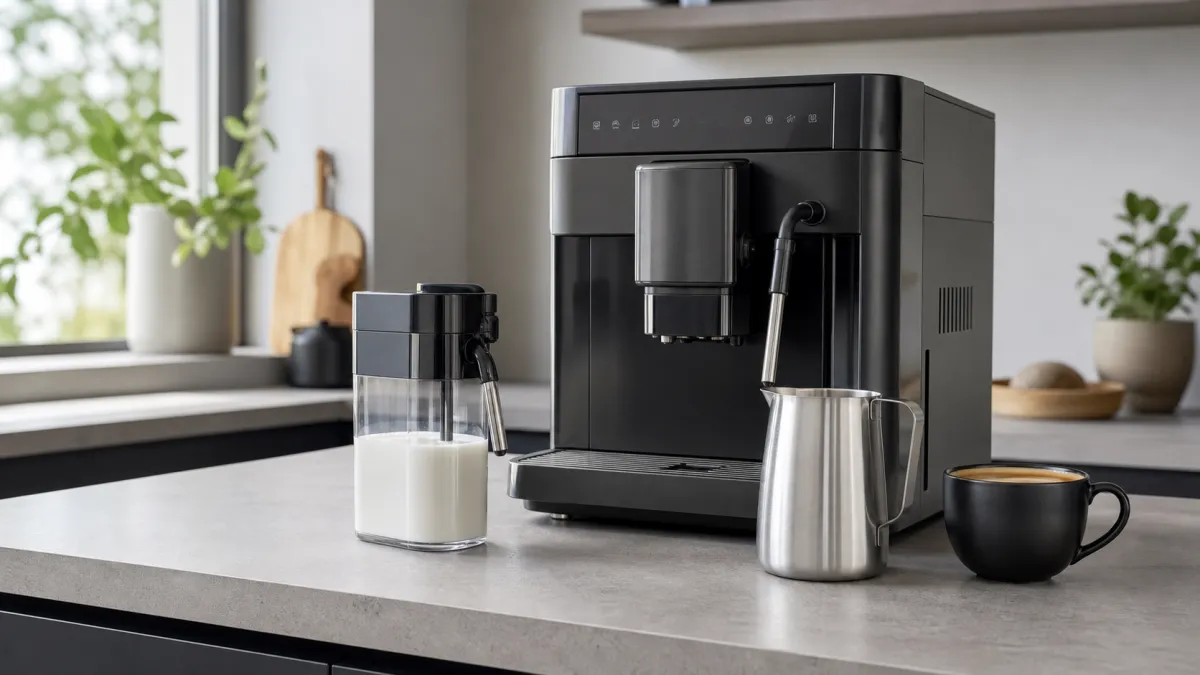
In this article
Bean-to-cup coffee machines can make black coffee with very little effort, but milk drinks are where the machines split. Some use an automatic milk carafe or tube, some have a steam wand, and some skip milk frothing altogether.
The best choice is the one you will clean every day. Automatic milk systems suit push-button cappuccinos and latte macchiatos. A steam wand gives more control over smoother latte-style milk, but only if you are happy to wipe and clear it after each drink. No built-in milk is often the most sensible option if you mostly drink espresso, americano or long black coffee.
Start with the milk routine, not the drink menu
Drink menus can make every bean-to-cup machine look flexible. The practical question is simpler: how much milk work do you want the machine to do, and how much cleaning will you accept afterwards?
| Milk setup | Best for | What the milk is like | Cleaning reality |
|---|---|---|---|
| Automatic carafe or milk tube | Push-button cappuccinos, latte macchiatos and family use | Consistent foam with little skill needed, usually more airy than cafe-style latte milk | Fast day to day if the rinse routine is simple, but the carafe, tube or spout still needs proper cleaning |
| Steam wand | Latte drinkers who care about texture and do not mind learning | Can be silkier and more pourable; microfoam means very fine, glossy bubbles rather than dry foam | Wipe the wand and briefly run steam through it after use so milk does not dry inside |
| No built-in milk | Black coffee, occasional milk drinks, or a separate countertop frother | Depends on the separate frother or milk warmed by hand | Simpler machine care, with no milk path inside the coffee machine |
If this table already points you towards a machine style, start with our bean-to-cup coffee machine guide. If you are still weighing pods, espresso and bean-to-cup together, the wider coffee machine guide is the better first stop.
Automatic milk systems are about convenience
An automatic system pulls milk from a carafe, container or tube, heats it and sends it into the cup. On the best machines that makes milk drinks genuinely low-effort: select cappuccino, put the cup under the spout and let the machine handle the rest.
The trade-off is texture and cleaning. Automatic systems are usually excellent for repeatable foam, especially if several people in the house want the same drink. They are less ideal if you want to fine-tune milk texture for a flat white or practise latte art. The foam can be thicker and airier than a good cafe-style pour.
Pay for automatic milk if you value a reliable morning cappuccino more than milk texture control.
Check how the machine stores milk between drinks. A removable carafe that can go in the fridge is useful if you make several drinks through the day. A loose milk tube can be flexible, but it may leave more parts to rinse and store neatly.
A steam wand gives more control, but asks more from you
A steam wand is the small metal pipe that heats and textures milk with steam. It can make smoother, glossier milk than many fully automatic systems, especially for lattes and flat whites. The catch is that it needs attention.
Some machines have assisted or automatic steam-wand settings, which can control temperature and texture for you. Others are closer to a manual espresso machine, where you hold the jug, position the wand and learn by feel. That can be satisfying, but it is not the same low-effort promise as a one-touch carafe.
- Choose a steam wand if you mostly drink lattes, care about smoother milk and do not mind a short routine after every drink.
- Be cautious if you want several cappuccinos in a row with no learning curve. A carafe system is often easier for that.
- Check jug space under the wand. Some compact machines leave the jug feeling cramped.
No built-in milk can be the cleanest option
A bean-to-cup machine without built-in milk is not a compromise for everyone. If you drink mostly espresso, americano or long black coffee, it keeps the machine simpler and usually cheaper. You avoid milk tubes, carafes and wand care inside the coffee machine.
This route also makes sense if you already own a separate milk frother, or if you only make milky drinks occasionally. A separate frother will not give every drink the same integrated one-touch finish, but it keeps the coffee machine focused on grinding, brewing and normal water-side maintenance.
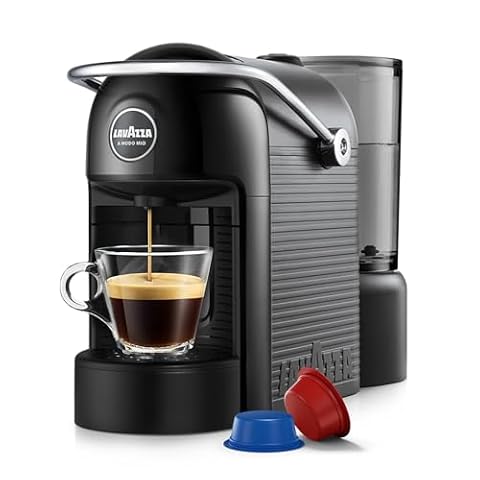
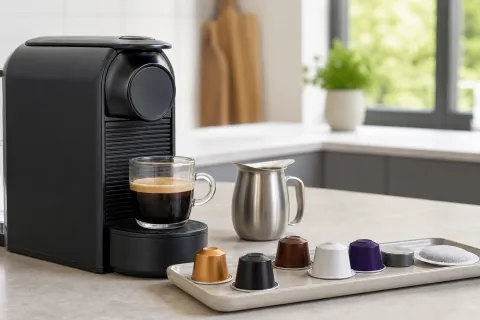
It is worth considering if you are moving from pods. Many pod coffee machines either use no milk system, a separate frother, or a simpler capsule-based milk setup. If that level of convenience is enough, a high-end bean-to-cup milk system may be more machine than you need.
Plant milks need cautious expectations
Plant milks can work well, but they are less predictable than dairy milk. Barista oat and soya milks often behave better than thinner everyday versions, but results vary by brand, ingredients and the machine's milk system.
Manufacturers increasingly advertise plant-milk settings, which is useful, but it is not a guarantee that every carton will foam the same way. If oat or soya drinks are your everyday choice, look for a machine that mentions alternative-milk settings clearly and check owner feedback for the exact model before buying.
Avoid overpaying for a milk system you cannot test against your normal milk. The safest assumption is that automatic systems prioritise consistency and convenience, while a good steam wand gives more room to adjust once you learn how your milk behaves.
Cleaning is the hidden cost of milk drinks
Milk residue spoils quickly and blocks small parts more easily than coffee grounds, so milk cleaning matters more than the drink menu suggests. Look at the instructions before buying, not after the machine arrives.
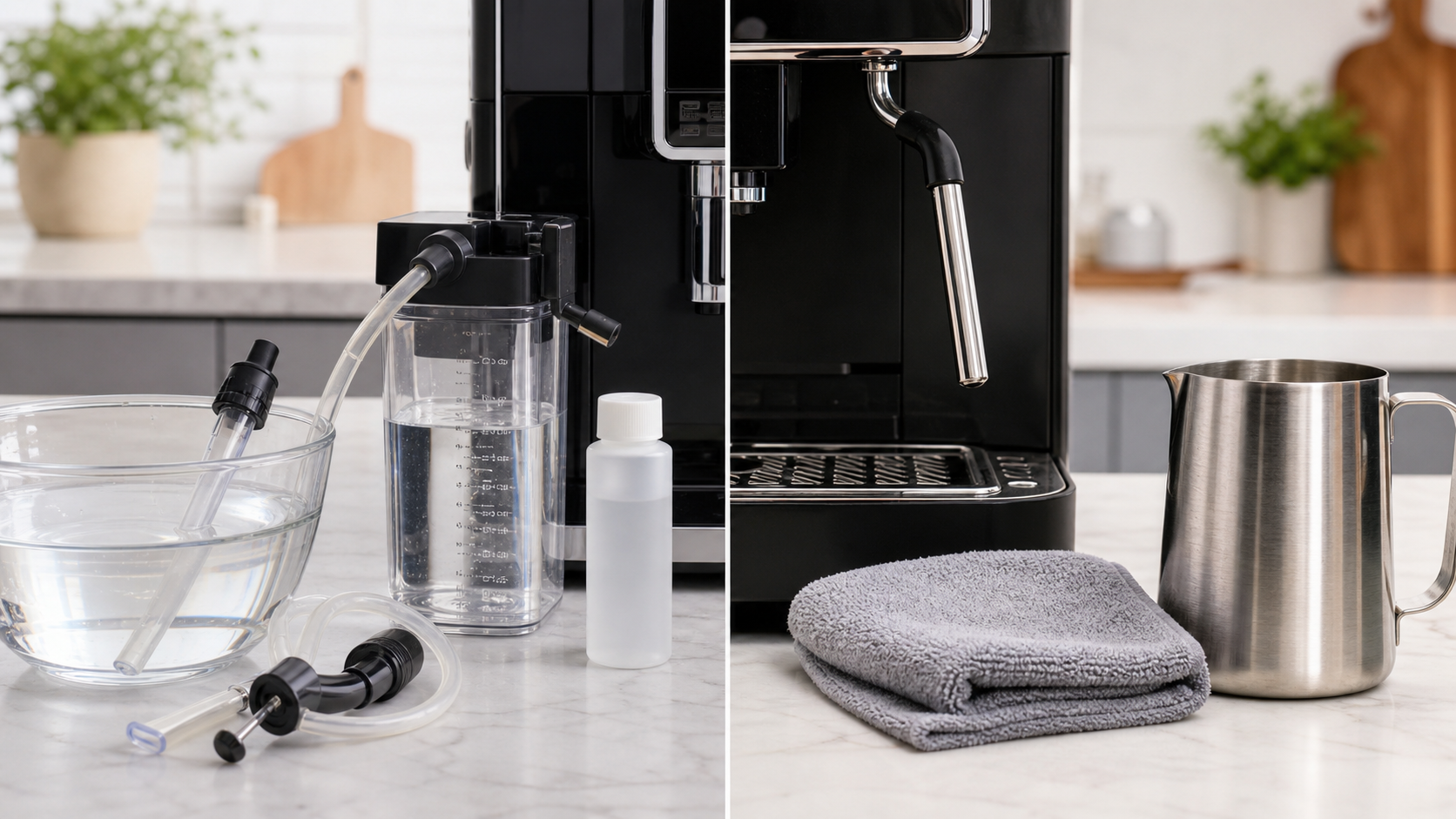
For automatic milk systems, check whether the carafe is dishwasher-safe, whether the machine has a quick rinse, and whether tubes or spouts need a periodic deep clean. Many owners are happy with that routine, but it is still a routine. You may also need a dedicated coffee machine milk system cleaner* alongside normal descaler.
For a steam wand, the daily habit is more manual but usually visible: wipe the outside, then briefly run steam or hot water through the wand to clear milk from the tip. This is often called purging. It simply means clearing residue before it dries inside the wand.
Match the frother to the drinks you really make
It is easy to buy for the most impressive menu. Most households are better off buying for the two or three drinks they actually make.
| Your usual drink | Best milk setup to prioritise | Why |
|---|---|---|
| Cappuccino | Automatic carafe or tube | Repeatable foam matters more than fine control for most home cappuccinos. |
| Latte or flat white | Steam wand or assisted steam wand | Smoother, pourable milk is easier to chase when you can control texture. |
| Latte macchiato | Automatic milk system | Layered milk drinks are exactly what many one-touch systems are built to simplify. |
| Americano or espresso | No built-in milk | You can spend the money on grinder quality, brewing controls or a simpler machine instead. |
| Occasional hot chocolate or foamed milk | Separate frother or automatic carafe | A separate frother may be enough unless you want everything from one machine. |
Maintenance checks before you buy
Before choosing a bean-to-cup machine, look for the ordinary maintenance details that decide whether it stays pleasant to own.
- Removable parts: check whether the carafe, lid, tube, spout and drip tray come apart easily.
- Dishwasher wording: confirm which parts are dishwasher-safe, not just that the machine has an easy-clean promise.
- Cleaning prompts: useful prompts can keep the routine on track, but they do not remove the need to rinse parts.
- Consumables: factor in descaler, water filters and milk-system cleaner where the manufacturer recommends them.
- Counter space: a carafe, milk jug and cleaning bottle still need somewhere to live.
If a milk system looks awkward in the manual, it will probably feel awkward on a workday morning. A simpler machine you clean properly will usually beat a premium milk system you avoid using.
The bottom line
Choose an automatic milk system if you want repeatable cappuccinos and latte macchiatos with minimal skill. Choose a steam wand if milk texture matters and you are willing to wipe, purge and practise. Choose no built-in milk if you mostly drink black coffee or prefer a separate frother.
The most expensive option is not automatically the best one. The right bean-to-cup milk setup is the one that matches your drinks, your milk, and the cleaning routine you will still tolerate six months from now.
Sources and checks
These manufacturer pages are useful checks before buying because milk systems vary by model and cleaning routine.
- De'Longhi Eletta Explore product page: shows how a current automatic milk-carafe system is presented, including hot and cold milk drinks, dishwasher-safe carafes and the note that froth quality can vary by milk or plant-based drink.
- Sage Oracle Jet product page: gives an example of an assisted steam-wand system with adjustable milk temperature, texture levels and dairy, soya, almond and oat settings.