In this article
A pod coffee machine is only simple if the pod system suits the coffee you actually drink. Before you compare colours, milk frothers or sale prices, check which capsules the machine takes, how easy they are to buy, whether you can recycle them locally, and what each drink will cost once the novelty has worn off.
That sounds obvious, but pod compatibility is where many bad buys start. Two machines can look similar on a worktop while tying you to very different capsules, drink sizes, milk routines and recycling options. A cheap machine can also become expensive if the pods are awkward to source or if every milky drink uses an extra capsule.
Start with the compatibility checks that lock you in
Use the machine price as the final check, not the first one. The pod system decides the everyday choice more than the machine shell does.
| Check | What it means | Why it matters |
|---|---|---|
| Pod system | The capsule shape, size and brewing format the machine accepts. | You cannot assume one brand's pods fit another brand's machine. |
| Drink range | Short espresso-style drinks, longer coffees, flavoured drinks or milky drinks. | A system with the wrong drink style will feel limited even if the machine is good. |
| Milk method | Milk capsules, a built-in frother, a separate frother or no milk feature. | It changes cost, cleaning, storage and how natural the morning routine feels. |
| Recycling route | How used pods are collected, separated, stored or dropped off. | Recyclable packaging is only useful if the route works for your home. |
| Cost per drink | The pod price, number of pods per drink and how many coffees you make each week. | A low machine price can hide a higher monthly coffee habit. |
If those checks still point towards pods, compare current options in our pod coffee machine guide. If you are not sure whether pods are the right format, start with the broader coffee machine guide before narrowing the shortlist.
Know the pod system before judging the machine
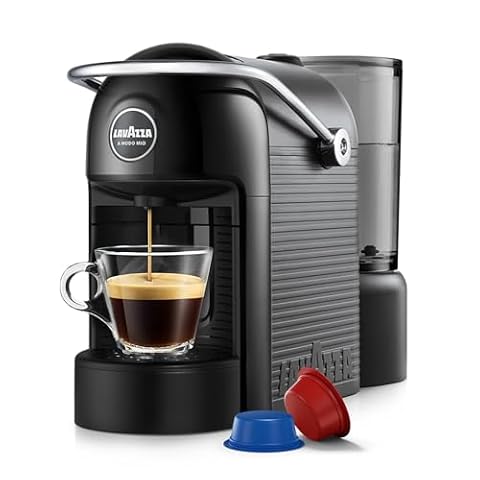
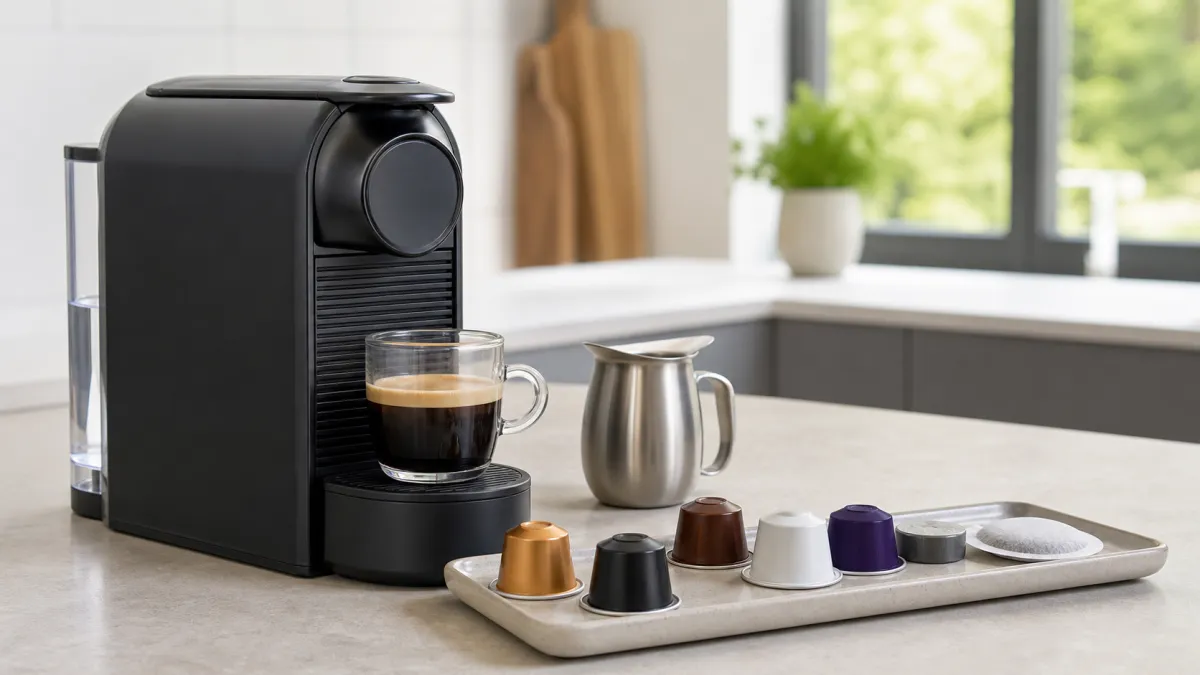
Pod machines are not a universal format. A capsule may look like a small cup, disc or sealed pouch, but its size, rim, barcode or brewing design can be specific to one system. Some systems also separate ranges within the same brand family, so a shopper can still buy the wrong capsules even when the brand name looks familiar.
The safest habit is simple: check the exact capsule range named for the machine, then check where you would buy those capsules in normal weeks. Do not rely on a listing photo, a vague phrase such as compatible pods, or a bundle that happens to include a few starter capsules.
Third-party capsules can widen choice, but they do not remove the need to check fit. Some are made for a specific capsule range; others are reusable or refillable and add their own cleaning and taste trade-offs. If you want the lowest running cost and maximum coffee choice, pods may still be less flexible than a bean-to-cup, espresso or filter setup.
Capsule choice affects the drink as much as the machine
Compatibility is not only about whether the pod physically fits. The capsule system also shapes cup size, coffee strength, crema, flavour choice and whether you can make longer drinks without watering down a short shot.
Short black coffees: espresso-style pods can be quick and consistent, but check whether you like the system's normal cup size.
Longer coffees: some systems offer larger pods or dedicated long-coffee formats, while others expect you to add water or run a longer extraction.
Flavoured drinks: these can be convenient, but they may limit you to a smaller set of pods and can raise the cost per drink.
Decaf and speciality options: check the real range you will buy, not just the headline number of available flavours.
Think in weekly drinking habits rather than special-occasion drinks. A system with ten exciting flavours can still be the wrong choice if you only want one reliable morning coffee that is easy to replace when the box runs out.
Milk options change the cost and cleaning routine
Milk is often the difference between a pod machine feeling effortless and feeling like a compromise. There are four common routes, and each suits a different kind of buyer.
| Milk setup | Best for | Watch out for |
|---|---|---|
| Milk pods | Fast flavoured or cafe-style drinks with minimal skill. | Extra capsules, more waste and a different taste from fresh milk. |
| Built-in frother | Regular cappuccinos or lattes without a separate appliance. | Cleaning the milk path and checking whether the jug fits in your fridge or cupboard. |
| Separate frother | Homes that want flexible milk drinks without choosing a larger machine. | More counter space, one more part to clean, and another plug or storage spot. |
| No milk feature | Black coffee drinkers or homes that already have a milk routine. | It may be a poor fit if guests expect lattes or cappuccinos. |
For plant-based milk, be cautious about broad claims. Frothing can vary by milk type, formulation and machine, so check the manufacturer's guidance and buyer feedback for the specific setup you are considering.
Recycling needs a real route, not just a symbol
Many coffee pods are promoted as recyclable, but the practical question is whether your household can recycle that exact pod type without making the routine annoying. Used pods are small, wet and often made from aluminium or plastic, so they may need a dedicated collection route rather than normal mixed recycling.
Check three things before buying: whether your pod brand participates in a UK recycling scheme, whether your postcode has a convenient drop-off or kerbside option, and whether you need to store pods separately by material. If the answer sounds fiddly now, it will probably feel more fiddly after a month of daily coffee.
Storage matters too. A household making several drinks a day can fill a recycling bag or container faster than expected. If you already struggle for bin or cupboard space, include used pods in the worktop and storage calculation.
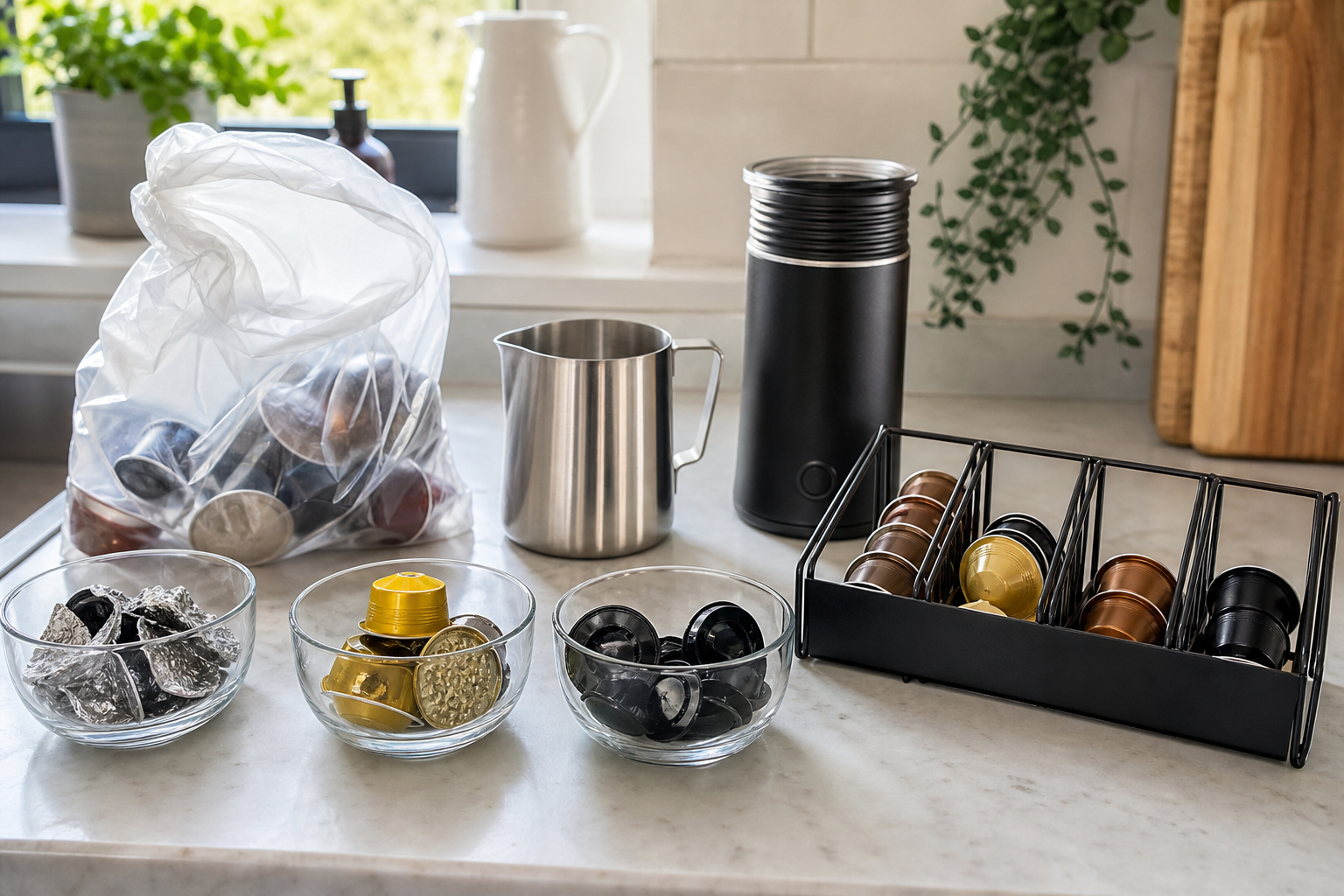 Recycling, pod storage and milk setup are part of the compatibility check, not afterthoughts.
Running cost is about habits, not just pod price
Pod machines often look affordable because the machine cost is low and the routine is predictable. The longer-term cost depends on how many drinks you make, whether each drink uses one or two pods, whether milk capsules are involved, and whether you buy branded capsules, compatible capsules or subscriptions.
Do a quick monthly check before you buy:
Estimate how many coffees the household will make each day.
Multiply by the realistic pod cost for the capsules you would actually buy.
Add milk pods or separate milk costs if milky drinks are the main reason for buying.
Allow for descaling or cleaning products if the machine needs them regularly.
Pods are easiest to justify when they replace occasional cafe drinks or serve one or two convenient coffees a day. They become harder to justify when a busy household treats them as the main coffee supply.
That does not make pods a bad buy. It just means the machine price should not be doing all the persuasion. A dearer machine in the wrong system is still a poor fit; a cheap machine with expensive pods may not stay cheap.
Common compatibility mistakes before checkout
Buying for the starter pack: bundled capsules are useful for trying the machine, but they do not prove you will like the ongoing range.
Assuming supermarket availability: check the exact system and range you need, not just whether the aisle has coffee pods.
Ignoring cup height: taller mugs and travel cups may not fit under compact machines.
Forgetting guests: if visitors expect decaf, milk drinks or larger mugs, a narrow pod range can become irritating.
Choosing a milk feature you will not clean: fresh-milk systems are only convenient when the cleaning routine feels realistic.
Buy the pod system you can live with
The best pod coffee machine for most buyers is not simply the cheapest machine or the one with the neatest worktop footprint. It is the one tied to a pod system you can buy easily, recycle realistically, afford over time and use for the drinks you make most often.
If you mainly want fast black coffee, prioritise capsule range, cup size and pod availability. If milky drinks are the reason for buying, judge the milk routine before the machine finish. If waste is a concern, check the recycling route before you commit. Once the system fits your real routine, the machine shortlist becomes much easier to trust.
Sources and checks
These links are useful for checking pod-system and recycling details before you buy.
Podback coffee-pod recycling: check UK recycling routes, participating pod brands, local drop-off or kerbside options, and whether you need dedicated bags.
Nespresso UK Original capsules: compare one major capsule range before assuming a machine will accept the pods you already buy.
Nespresso UK Vertuo capsules: check how a separate capsule range can affect drink size, pod choice and machine compatibility.