In this article
A breadmaker can be a cheap route to regular homemade loaves, or it can become an expensive box of settings you barely use. The features worth paying for are the ones that remove real friction from the way you bake every week.
For most UK kitchens, that means flexible loaf sizes, a usable delay timer, sensible programmes, a pan and paddle that are not miserable to clean, and controls you can understand before breakfast. Fancy extras can be helpful, but only if they match your routine.
The first decision is simple: pay for features that change your normal loaf, and be sceptical of settings you will only try once.
Which features deserve the budget?
| Feature | Worth paying for? | Why it matters |
|---|---|---|
| Delay timer | Usually yes | Useful if you want bread ready for breakfast or after work, but only for recipes that suit being left in the pan. |
| More than one loaf size | Yes for most households | A smaller loaf reduces waste; a larger loaf suits families, packed lunches and batch baking. |
| Nut or seed dispenser | Yes if you bake seeded or fruit loaves | It adds ingredients at the right stage instead of crushing them during the main knead. |
| Gluten-free programme | Yes if you will use it | Gluten-free dough behaves differently, so a dedicated programme is more useful than guessing with a standard loaf setting. |
| Viewing window | Nice, not essential | It lets you check progress without opening the lid, but it does not fix poor recipes or weak heating. |
| Collapsible or removable paddle | Worth checking | It can reduce the hole in the base of the loaf, but cleaning and reliability matter more than the promise. |
| Jam, cake and yoghurt-style extras | Usually optional | They are useful only if you already plan to use the breadmaker for more than bread. |
Compare the right machines once your priorities are clear
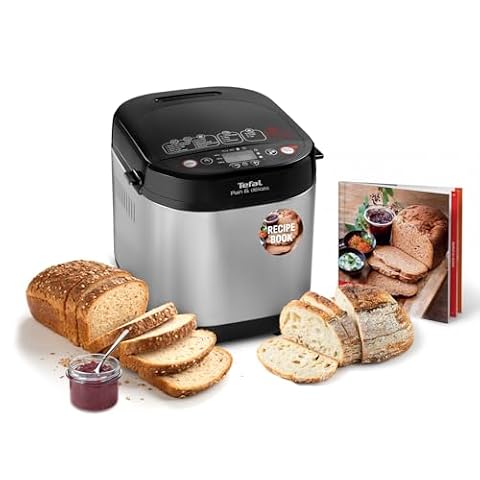
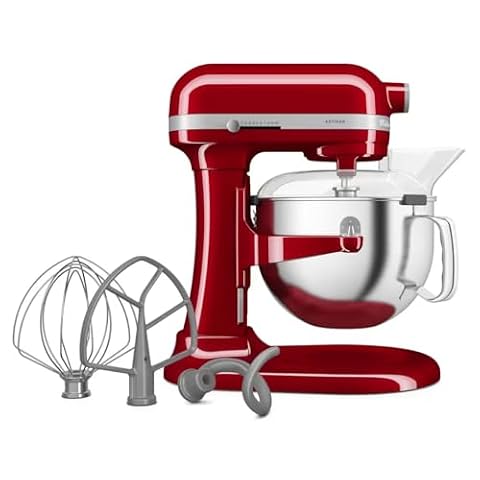
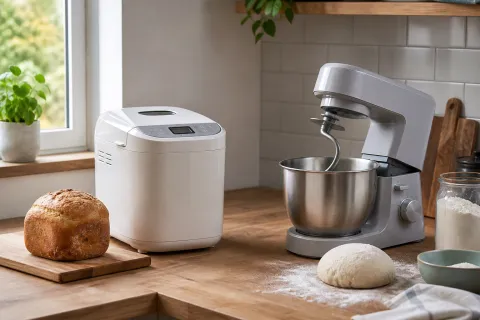
If the table has already narrowed the decision, start with our breadmaker guide. If you realise you mainly want dough prep, cake mixing and wider baking range, compare stand mixers instead. For reliable recipes, a good set of kitchen scales often matters as much as another breadmaker programme.
Delay timers are useful, but not magic
A delay timer lets you set the machine so the loaf finishes later. In plain terms, it is the feature that makes fresh breakfast bread possible without starting the machine at dawn.
Pay for a delay timer if you will actually schedule loaves around sleep, school runs or work. It is one of the clearest convenience upgrades because the whole point of a breadmaker is low-effort repeatability.
There are limits. Recipes with fresh milk, eggs, cheese or other ingredients that should not sit warm for hours are poor timer candidates. If you want overnight bread, check the manual for the model's timer rules and use recipes that are designed for delayed starts.
Loaf sizes decide whether the machine fits your household
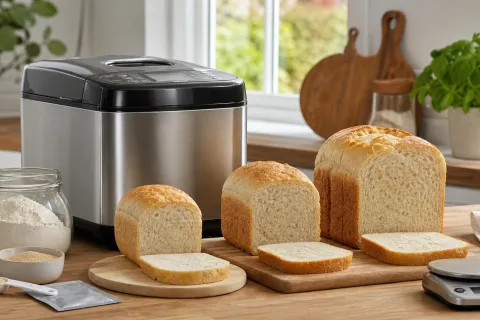
Multiple loaf sizes sound boring, but they are one of the most practical features. A two-person household may not want a large loaf going stale on the worktop. A family making packed lunches may find a small loaf frustrating.
Think in weekly use, not in the biggest number on the box. If you mainly want toast and sandwiches for one or two people, a machine with a smaller loaf option is valuable. If you bake for several people, look for a larger maximum size and check whether the pan shape gives slices you actually want to eat.
Do not pay for maximum capacity unless you have a real use for it. A flexible size range is usually better than the largest loaf on paper.
A nut and seed dispenser earns its keep for seeded loaves
A dispenser is a small compartment that drops ingredients such as seeds, chopped nuts or dried fruit into the dough part-way through the programme. That timing matters because ingredients added too early can be broken down during kneading.
If you mostly bake plain white or wholemeal loaves, you can skip it. If seeded loaves, fruit loaves or breakfast bread are your normal use, the dispenser is one of the better premium features.
Check the details before paying more. Some machines have separate yeast and ingredient dispensers; others have a simpler single dispenser or none at all. Also check cleaning: a dispenser with awkward corners can collect sticky dried fruit residue.
Gluten-free programmes are worth it for the right household
A gluten-free programme is not a health feature and it does not guarantee a perfect loaf. It is a timing and mixing feature for doughs that do not behave like standard wheat dough.
Pay for it if gluten-free bread is a regular need in your household. The programme gives you a better starting point than forcing a gluten-free recipe through a standard white-loaf cycle.
If you only occasionally bake gluten-free for a guest, it may not justify a major price jump on its own. You will still need suitable ingredients, a recipe written for breadmakers, and careful cleaning if cross-contact with wheat is a concern in your kitchen.
Viewing windows are reassuring, not decisive
A viewing window lets you watch the dough and loaf without lifting the lid. That is useful because opening the machine during baking can disturb heat and steam.
It is not a feature to overpay for. A window can help you spot obvious problems such as dry flour in the corners during mixing, but it will not tell you whether the recipe is well balanced or whether the final loaf will slice neatly.
For beginners, clear controls and a reliable manual matter more. A viewing window is a pleasant extra once the basics are right.
Cleaning effort is where cheap machines can disappoint
The pan, paddle and lid area decide whether you keep using the breadmaker. Most machines sound easy to clean because the pan is removable, but the real test is what happens after a sticky dough, a seeded loaf or a fruit loaf.
Look for a removable non-stick pan, a paddle that can be taken out without a fight, and lid or dispenser areas that do not trap crumbs. Avoid metal tools on non-stick coatings, and check whether the manual allows dishwasher cleaning before assuming it is safe.
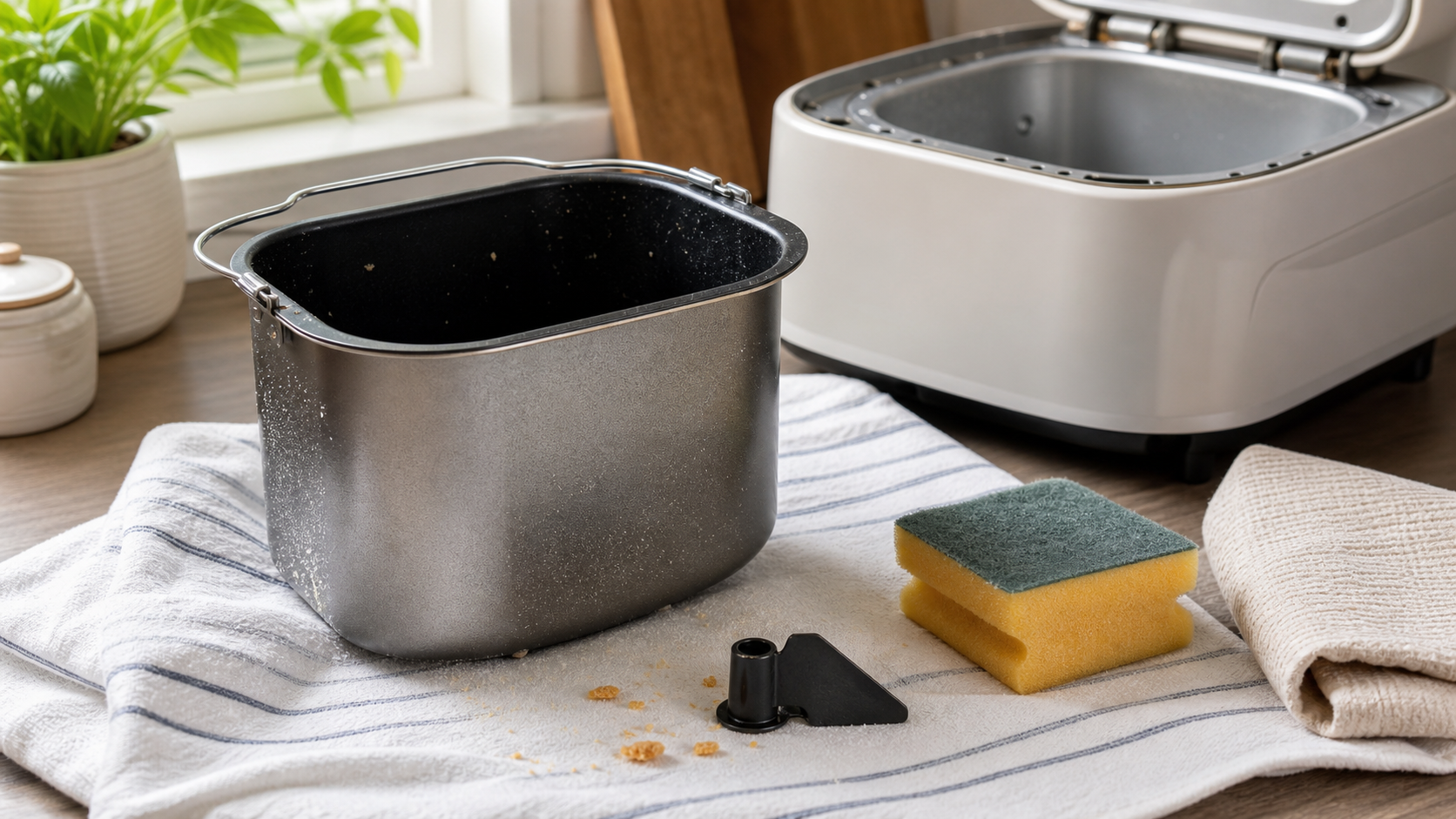 The pan and kneading paddle decide whether a breadmaker still feels convenient after a sticky dough or seeded loaf.
If the paddle sticks in the loaf or the pan is awkward to wash, the convenience argument weakens fast. A slightly better-designed pan can be worth more than another rarely used programme.
Controls and manuals matter more than app-style extras
Breadmakers should be simple. A good control panel makes it clear which programme, loaf size and crust setting you have chosen. A useful manual explains recipe order, timer limits, cleaning and what each programme is for.
Do not pay much extra for vague smart features unless you know exactly what they do. Breadmaking is ingredient-sensitive, and an app cannot rescue poor measurements or a recipe that does not suit the machine.
If you are comparing two models, download or inspect the manual before buying. The better machine is often the one that makes normal bread easier to repeat, not the one with the longest feature list.
When a stand mixer or scales are the smarter upgrade
If your wish list is mainly about shaped rolls, pizza dough, enriched dough, cake batter, meringue or buttercream, a breadmaker is probably the wrong place to spend more. A stand mixer gives you dough prep and mixing control, while your oven handles the bake.
If your loaves keep failing because recipes vary, upgrade your measuring routine before blaming the breadmaker. Kitchen scales with a clear display and a tare function can make more difference than a premium programme. Tare simply means resetting the scale to zero after you put a bowl or ingredient on it, so you can weigh the next ingredient accurately.
That does not make the breadmaker unimportant. It just means the best baking setup is often a sensible breadmaker plus accurate scales, rather than the most expensive breadmaker alone.
The feature budget I would prioritise
For most buyers, pay first for loaf-size flexibility, a usable delay timer, a reliable pan and paddle, and programmes you will repeat. Add a nut or seed dispenser if you genuinely like seeded or fruit loaves. Pay for a gluten-free programme when that is a regular household need.
Be more sceptical about viewing windows, long programme lists and novelty modes. They can be useful, but they should not distract from the everyday ownership checks: how much bread you need, how often you will use the timer, whether the pan cleans easily, and whether the machine fits under your cupboards with the lid open.
The best breadmaker is not the one with the most settings. It is the one that makes your normal loaf easy enough that you keep making it.
Sources and checks
These manufacturer pages are useful when checking what real breadmaker feature sets can include before you buy.
Sage Custom Loaf bread maker: shows examples of loaf-size range, automatic fruit and nut dispensing, custom settings, a collapsible paddle and appliance dimensions.
Panasonic SD-YR2540 breadmaker information: useful for checking the kind of automatic programmes, loaf sizes, timer settings and dispenser features offered on a higher-feature breadmaker.